


Chip and Hardware Updates Accelerate AI Race
By Thank God
The artificial intelligence race is no longer driven by software alone. The real competition is happening at the hardware level—where chips, processing power, and efficiency determine who leads and who falls behind.
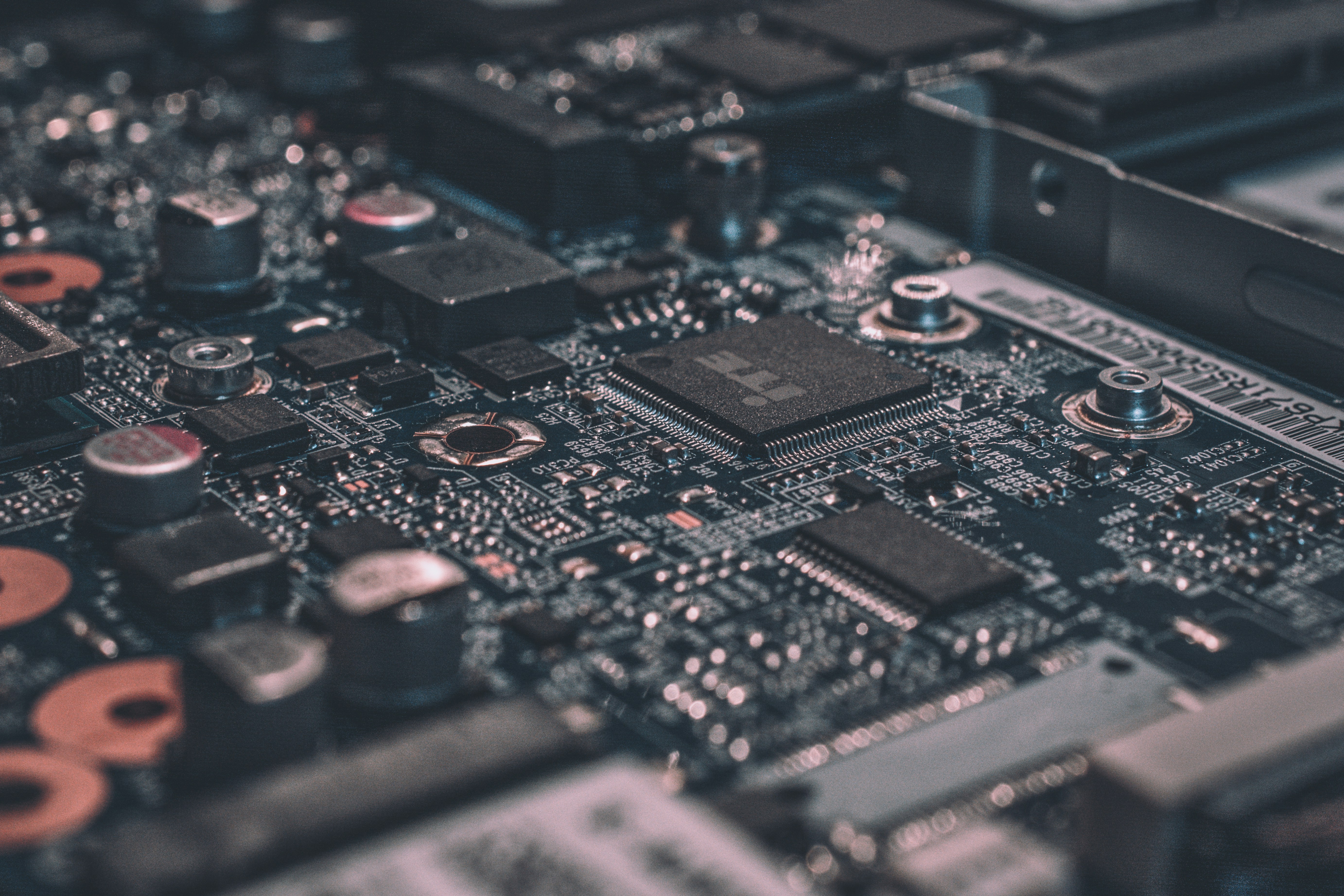
Modern AI systems depend on high-performance chips and advanced data center infrastructure.
Besi’s Q1 Surge: Hybrid Bonding Gains Momentum
BE Semiconductor Industries (Besi) reported strong Q1 2026 bookings, driven by rising demand for hybrid bonding technology—an essential innovation for advanced AI chips.
- Significant increase in bookings compared to previous year
- Growing demand from AI data center manufacturers
- Strong adoption across global semiconductor supply chains
Hybrid bonding allows chips to be stacked directly, improving performance while reducing latency. This is critical for high-performance AI systems.
Tesla and Intel: A Strategic 14A Partnership
Tesla has become the first major customer for Intel’s advanced 14A chip technology, signaling renewed confidence in Intel’s manufacturing capabilities.
This collaboration is centered around Tesla’s ambitious Terafab project, which aims to produce next-generation chips for:
- Autonomous driving systems
- AI-powered robotics
- Large-scale data processing
The 14A process represents a new level of chip miniaturization and performance, positioning Tesla to strengthen its AI-driven products.
Google’s New AI Chips: Challenging Nvidia
Google has introduced new chips optimized for both AI training and inference. These chips feature increased static RAM (SRAM), addressing one of the biggest limitations in AI processing—memory speed.
- Improved performance for real-time AI applications
- Better efficiency in large-scale model deployment
- Direct competition with Nvidia’s GPU dominance
By focusing on memory and efficiency, Google is targeting faster, more scalable AI systems.
The Bigger Picture: Hardware Is the New Battlefield
These developments highlight a broader shift across the tech industry:
- AI companies are investing heavily in chip innovation
- Performance is increasingly tied to hardware design
- Competition is intensifying between global tech giants
The companies that control chip production and design will have a major advantage in the AI race.
What This Means for Africa and Nigeria
For Africa’s growing tech ecosystem, these advancements could lead to:
- More affordable access to AI computing power
- Improved performance of cloud-based tools
- New opportunities for local innovation and startups
Nigeria’s tech sector, especially in fintech and AI development, stands to benefit as hardware becomes more accessible globally.
Final Insight
Besi, Tesla, Intel, and Google are all pushing the boundaries of what AI hardware can achieve. These updates confirm one thing: the AI race is becoming a hardware war.
As innovation continues, the gap between leaders and followers will be defined by access to the most advanced chips.


