


IBM Crushes Q1 Estimates on AI-Driven Hybrid Cloud Boom; SpaceX Eyes In-House GPUs
By Kingsley
Two major developments are reinforcing a critical trend in the tech industry: control over AI infrastructure is becoming as important as innovation itself. IBM has exceeded expectations with strong hybrid cloud performance powered by AI, while SpaceX is moving to build its own GPUs to reduce dependence on external suppliers.
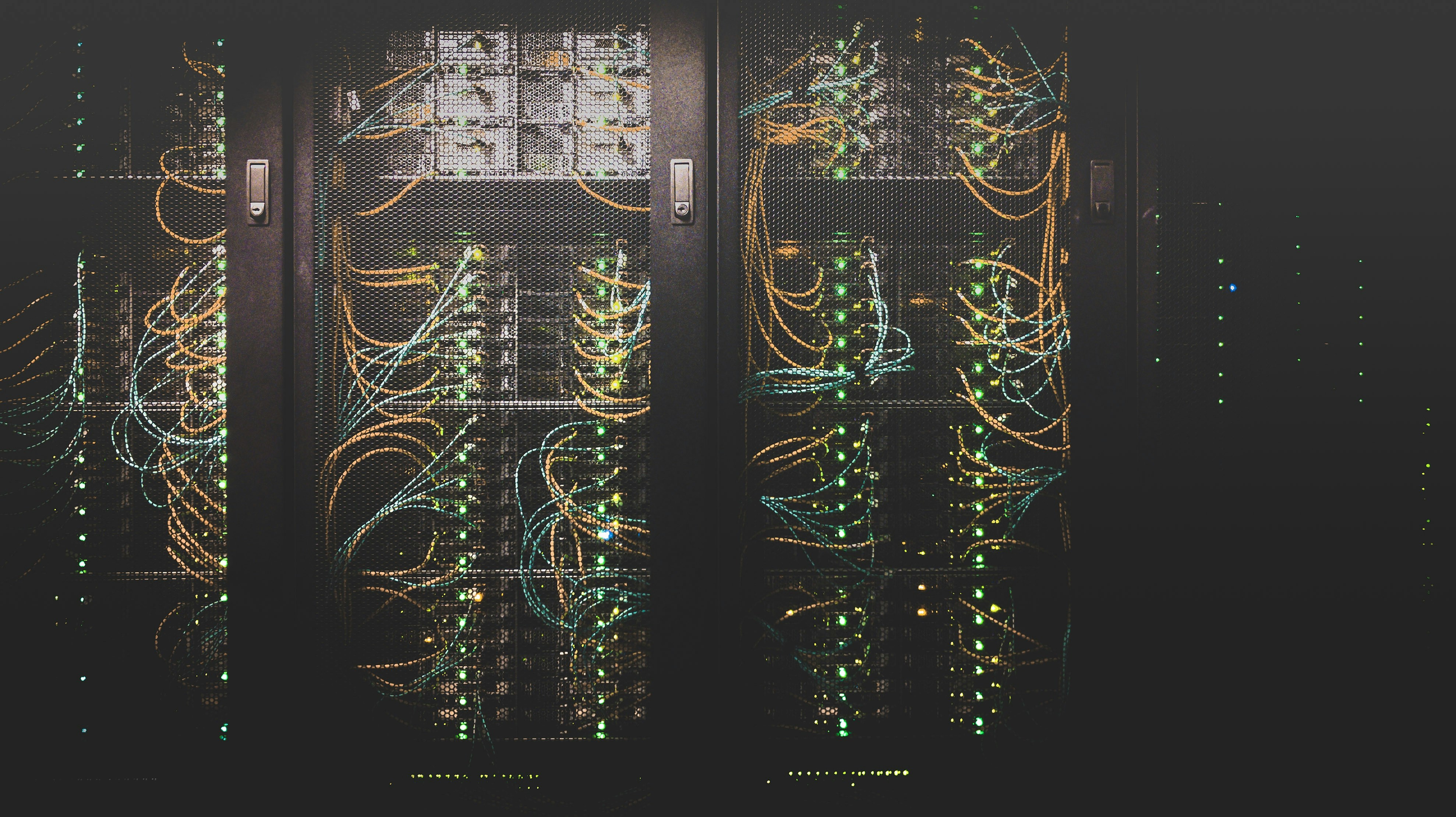
Modern data centers power AI-driven hybrid cloud systems and high-performance computing.
IBM’s Q1 Performance: Hybrid Cloud Drives Growth
IBM reported strong Q1 2026 results, exceeding analyst expectations with revenue of approximately $15.92 billion and earnings above forecasts. The primary driver behind this growth is its hybrid cloud strategy, increasingly powered by AI data management tools.
- Strong demand for AI-powered enterprise solutions
- Growth in hybrid cloud and software segments
- Increased adoption of AI tools for data optimization
IBM’s focus on combining cloud infrastructure with AI capabilities is positioning it as a key player in enterprise technology.
Organizations are now relying on AI to manage complex data environments, making hybrid cloud solutions more valuable than ever.
SpaceX Moves Toward In-House GPU Development
SpaceX is exploring the development of its own GPUs as concerns over global chip supply continue to grow. This move reflects a broader strategy of reducing dependence on external suppliers.
- Development of internal chip manufacturing capabilities
- Focus on AI workloads for space and satellite operations
- Expansion of hardware infrastructure in the United States
By building its own GPUs, SpaceX aims to secure the computing power needed for its ambitious projects, including satellite networks and advanced simulations.
The Bigger Trend: AI Infrastructure Sovereignty
These two developments highlight a larger shift across the tech industry:
- Companies are investing heavily in AI infrastructure
- Dependence on external suppliers is seen as a risk
- Hybrid cloud and custom hardware are becoming standard strategies
The future of AI will depend not only on algorithms but also on who controls the systems that run them.
What This Means for Nigeria and Africa
For Africa’s growing tech ecosystem, these developments offer both opportunities and challenges:
- Increased access to AI-powered cloud services
- Potential for reduced costs as infrastructure scales globally
- Need for investment in local data centers and energy systems
Nigeria, with its expanding digital economy, stands to benefit from improved access to enterprise AI tools, especially in sectors like fintech and logistics.
Final Insight
IBM’s strong performance and SpaceX’s hardware strategy both point to the same reality: AI is becoming deeply tied to infrastructure and control.
As competition intensifies, companies that manage both data and hardware will define the next phase of the tech industry.


