AI Safety, Governance, and Hardware Competition Continue to Dominate Global Tech Coverage
By Solomon Okafor Chika
Technology Strategy & Innovation Analyst
In
Solomon Okafor Chika Editorial Profile
Artificial intelligence remains the dominant force shaping the global technology conversation in 2026, with major media outlets, technology companies, and policymakers increasingly focusing on AI safety, governance, and the rapid transformation of work through automation and intelligent software systems.
From Silicon Valley to Asia’s manufacturing giants, AI is no longer viewed as a future technology trend alone. It has become a core economic, political, and business strategy influencing nearly every sector of the global digital economy.
AI Safety and Governance Are Becoming Global Priorities
Governments and technology companies are paying closer attention to how advanced AI systems are developed and deployed. Concerns surrounding misinformation, privacy risks, deepfake content, and workplace disruption are forcing regulators to move faster than ever before.
Industry leaders are now discussing:
- AI safety frameworks
- Global governance standards
- Responsible AI deployment
- Data transparency policies
- Content authenticity verification
- AI regulation and compliance systems
As artificial intelligence becomes more powerful, global institutions are attempting to balance innovation with public trust and security.
AI Is Rapidly Reshaping the Modern Workplace
AI-powered tools are transforming how businesses operate across industries including media, finance, healthcare, software engineering, customer support, and education.
- AI writing assistants are improving content production
- Automation systems are streamlining workflows
- AI coding tools are accelerating software development
- Virtual agents are replacing repetitive operational tasks
- Enterprise AI platforms are improving productivity
Companies are increasingly restructuring operations around AI-enhanced workflows as competition intensifies in the digital economy.
Hardware Companies Are Becoming Central to the AI Boom
Beyond software, there is also a growing focus on AI hardware infrastructure and next-generation computing devices.
| Company | Current AI Focus |
|---|---|
| Apple | AI-integrated consumer ecosystem and on-device intelligence |
| NVIDIA | AI chips, datacenter acceleration, and enterprise infrastructure |
| Lenovo | AI-powered PCs and enterprise productivity systems |
| Qualcomm | Mobile AI processing and next-generation AI smartphones |
The AI hardware market is becoming one of the most important sectors in global technology as demand for advanced chips, energy-efficient computing, and AI-ready devices continues to surge.
Why the Device Market Matters
The next phase of artificial intelligence will likely depend heavily on hardware optimization and device integration rather than cloud software alone.
- AI PCs are becoming mainstream
- Smartphones are integrating more on-device AI features
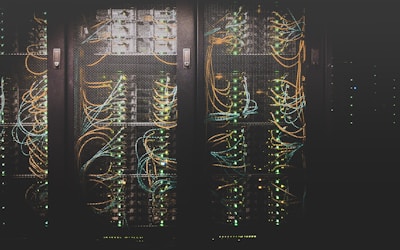
- Datacenters require massive GPU infrastructure
- Battery and energy efficiency are becoming strategic priorities
- Chip supply chains are becoming geopolitically sensitive
Companies Mentioned
Apple
NVIDIA
Lenovo
Qualcomm
OpenAI
Microsoft
Author Profile
Read more from the author:
Solomon Okafor Chika Editorial Profile
Final Thoughts
Artificial intelligence is no longer operating as a standalone technology category. It is now deeply connected to hardware manufacturing, geopolitics, enterprise productivity, cloud infrastructure, and global economic competition.
As the AI industry expands, the companies leading in chips, infrastructure, governance, and ecosystem integration may shape the next decade of global technological influence.