Modular Data Centers & Solar-Powered AI
Can Nigeria Bypass the Grid to Lead Africa’s Compute Revolution?
The Angle: AI requires massive power infrastructure. If the national grid is unreliable, the solution may not be fixing the grid — but bypassing it entirely through decentralized, modular energy systems.
Introduction: AI Runs on Power, Not Just Code
Artificial Intelligence is not just software — it is infrastructure. Training and running AI models requires enormous computing power, and computing power demands consistent electricity. In markets where grid reliability is unstable, AI growth becomes constrained.
This challenge presents a bold opportunity: decentralized, solar-powered modular data centers built specifically for West Africa’s digital future.
The Grid Problem
- Frequent power outages impacting server uptime
- High diesel generator costs for backup power
- Rising operational expenses for data centers
- Latency issues when relying on overseas cloud providers
For AI startups, fintech companies, and research labs, unreliable electricity increases costs and reduces competitiveness.
What Are Modular Data Centers?
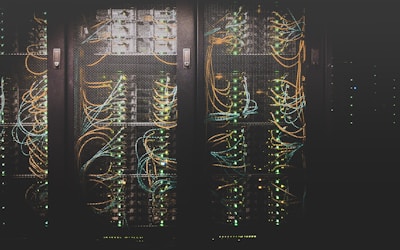
Modular data centers are prefabricated, containerized server units that can be deployed quickly and scaled efficiently. Instead of building massive centralized facilities, companies deploy smaller, decentralized units closer to demand centers.
Why Modular Makes Sense for Nigeria
- Faster deployment timelines
- Lower upfront capital expenditure
- Scalable expansion based on demand
- Better geographic distribution across cities
Solar-Powered AI: The Green Compute Opportunity
Nigeria has abundant solar potential. By integrating solar farms with modular data centers, operators can create energy-independent AI compute hubs.
- Reduced dependency on unstable grid supply
- Lower long-term energy costs
- Environmentally sustainable infrastructure
- Attractive to global ESG investors
This model creates what can be described as “Green Compute” — renewable-powered AI infrastructure serving regional markets.
The Business Opportunity in West Africa
West Africa’s digital economy is expanding rapidly. AI-driven fintech, e-commerce, agriculture tech, and government digitization projects all require localized, low-latency compute services.
- AI hosting for startups
- Regional cloud services
- Enterprise AI model deployment
- Edge AI solutions for telecom operators
Building distributed solar-powered server farms positions Nigeria as a regional compute hub rather than just a technology consumer.
Strategic Implications
- Digital sovereignty through local infrastructure
- Reduced foreign cloud dependency
- Job creation in renewable energy and data engineering
- Acceleration of AI research and development
Challenges to Overcome
- High initial capital requirements
- Battery storage scalability
- Policy and regulatory alignment
- Technical talent shortages
However, with strategic investment and public-private collaboration, Nigeria could leapfrog traditional infrastructure constraints.
Conclusion: Bypassing the Bottleneck
Rather than waiting for grid reform, Nigeria has the opportunity to build parallel infrastructure powered by renewable energy. Modular, solar-driven AI compute hubs could redefine Africa’s digital landscape.
The compute revolution will not only be about algorithms — it will be about energy, infrastructure, and strategic foresight.
About the Author
Ayodele Kingsley