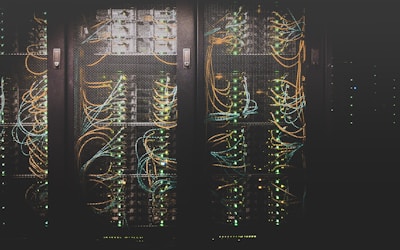
AI Has a Power Problem on Earth
Modern artificial intelligence systems demand enormous amounts of electricity. As AI models grow larger and data centers multiply, Earth-based infrastructure is reaching its physical and environmental limits.
Power shortages, cooling challenges, and energy costs are now major obstacles slowing down AI expansion worldwide.
SpaceX’s Bold Plan: AI Data Centers in Orbit
SpaceX has proposed launching up to one million satellites to form orbital data centers dedicated to AI computation. These space-based systems would rely on near-constant solar energy, eliminating many of the power constraints faced on Earth.
In orbit, AI servers can operate with uninterrupted sunlight, natural cooling, and global connectivity — turning space into the ultimate data center.
Google and Startups Are Already Moving
Google plans to begin testing satellites designed for orbital AI workloads as early as next year. At the same time, startups like Starcloud are already experimenting with AI servers in space, proving that this is not science fiction — it is engineering.
This shift signals a new era where AI infrastructure is no longer limited by geography, climate, or terrestrial power grids.
Why This Changes Everything
Space-based AI data centers represent a fundamental reset. Unlimited solar power, global coverage, and independence from Earth’s fragile energy systems could accelerate AI development beyond current expectations.
The future of artificial intelligence is not just faster chips or smarter software. It is about where computation happens — and that future is moving above our heads.