Who Really Controls the Internet?
By Ebuka Onah
Most people think the internet is a single system controlled by one company or organization. That is not true.
The internet is not owned by one entity. It is a global network made up of many layers of control, influence, and infrastructure.
1. The Physical Infrastructure Layer
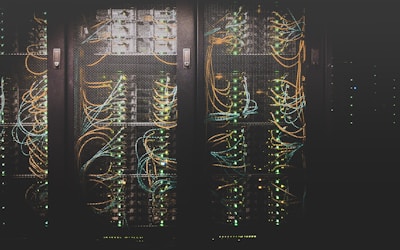
At the deepest level, the internet depends on physical systems.
- Undersea fiber optic cables
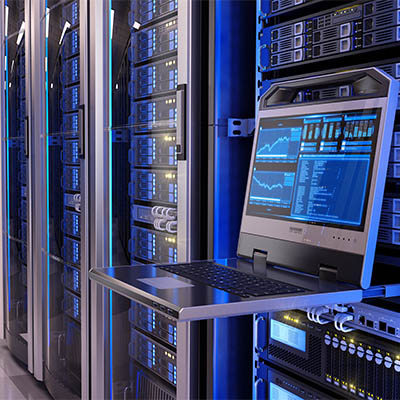
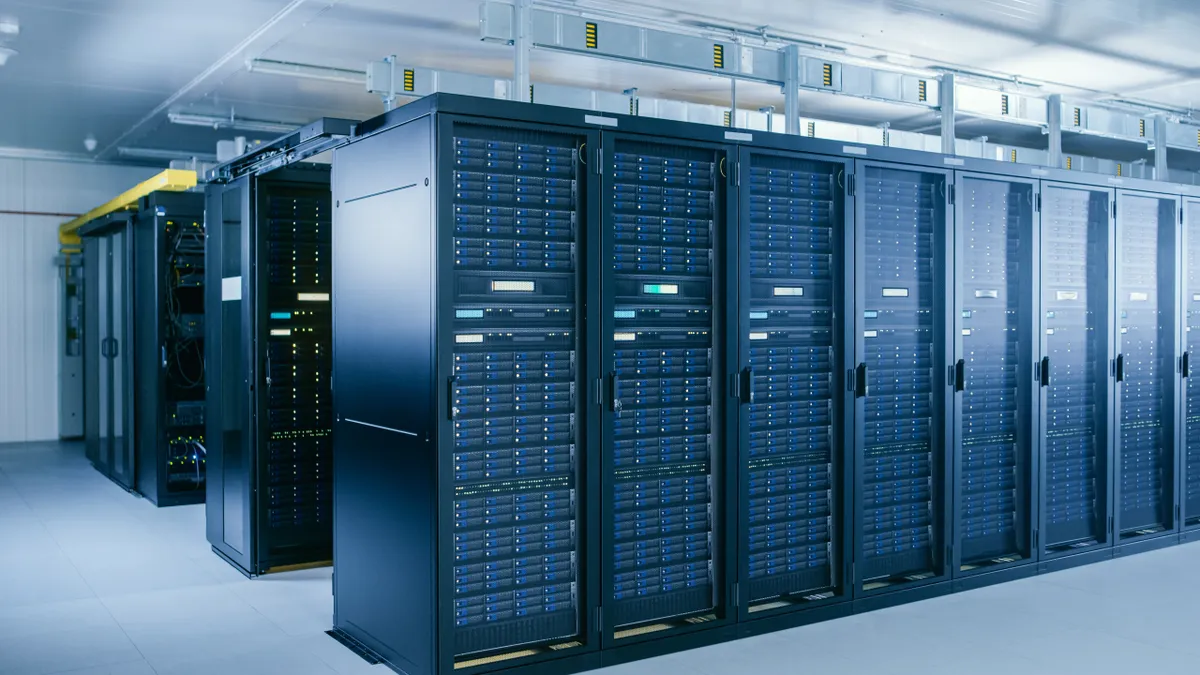
- Data centers
- Internet service providers (ISPs)
These are owned by private companies and governments across different countries.
2. Big Tech Platforms
Even though they do not own the internet itself, big tech companies control how most people experience it.
- Google controls search visibility
- Meta controls social media distribution
- YouTube controls video discovery
These platforms decide what content gets seen and what gets ignored.
3. Governments and Regulations
Governments do not own the internet, but they control what is allowed within their borders.
- Content restrictions
- Data laws
- Internet shutdowns in extreme cases
This means internet freedom varies depending on location.
4. Algorithms: The Invisible Controller
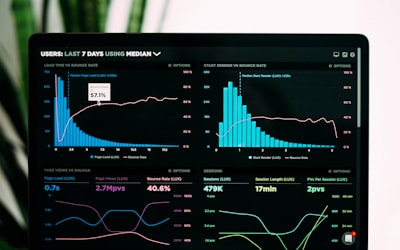
Algorithms decide what you see, what you don’t see, and what becomes popular.
- Search ranking systems
- Recommendation engines
- Social media feeds
These systems shape attention without most users realizing it.
5. Users: The Hidden Power
Users also have control, even if it is often underestimated.
- What people search for
- What gets shared
- What becomes viral
Without user behavior, the internet has no direction.
The Real Answer
No single person or company controls the internet completely.
Instead, it is a system of shared control between infrastructure owners, tech companies, governments, algorithms, and users.
Final Insight
The internet looks free, but what you see is always filtered through systems you do not control.
Understanding this is the first step to using it consciously instead of being shaped by it.