Digital Twins: Virtual Replicas of Factories and Systems Are Going Mainstream in 2026
By Daniel Ebube
Editorial Operations & Technology Reporter
In
Daniel Ebube Editorial Profile
Digital twin technology is rapidly becoming mainstream across multiple industries as businesses increasingly deploy virtual replicas of physical systems, factories, and infrastructure to improve efficiency, monitoring, and predictive decision-making.
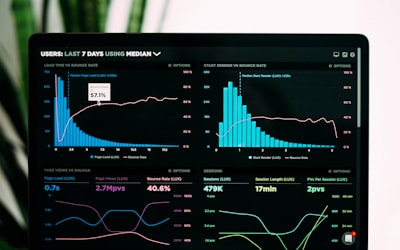
The technology allows organizations to create real-time digital simulations of physical operations, enabling engineers and operators to analyze performance, detect risks, and optimize systems before problems occur in the real world.
What Are Digital Twins?
A digital twin is a virtual representation of a physical object, system, or environment that continuously receives real-world operational data.
These systems are designed to simulate:
- Factory production lines
- Industrial equipment performance
- Transportation networks
- Energy infrastructure systems
- Supply-chain operations
- Smart-city environments
Why Companies Are Investing in Digital Twins
Organizations are increasingly adopting digital twins because of their ability to reduce operational inefficiencies and improve planning accuracy.
- Predictive maintenance systems
- Reduced operational downtime
- Real-time performance monitoring
- Lower maintenance costs
- Improved production efficiency
- Safer industrial operations
Industries Leading Adoption
| Industry | Digital Twin Application |
|---|---|
| Manufacturing | Smart factory optimization |
| Healthcare | Hospital and patient system modeling |
| Energy | Power-grid monitoring and forecasting |
| Transportation | Logistics and traffic management |
| Construction | Infrastructure planning and simulation |
AI and IoT Are Accelerating Growth
The rapid growth of digital twins is closely connected to advances in:
- Artificial intelligence
- Internet of Things (IoT) sensors
- Cloud computing infrastructure
- Real-time analytics platforms
- 5G connectivity systems
These technologies allow digital twins to continuously process and analyze large volumes of live operational data.
Companies and Platforms Mentioned
Microsoft
IBM
Siemens
Amazon Web Services
NVIDIA
Author Profile
Read more from the author:
Daniel Ebube Editorial Profile
Final Thoughts
Digital twin technology is quickly evolving from an experimental industrial concept into a mainstream enterprise strategy across manufacturing, infrastructure, and smart systems.
As AI, cloud computing, and IoT technologies continue advancing, digital twins may become a foundational layer for how organizations manage and optimize complex physical operations globally.